

What High Performers Do Differently — and How You Can Too

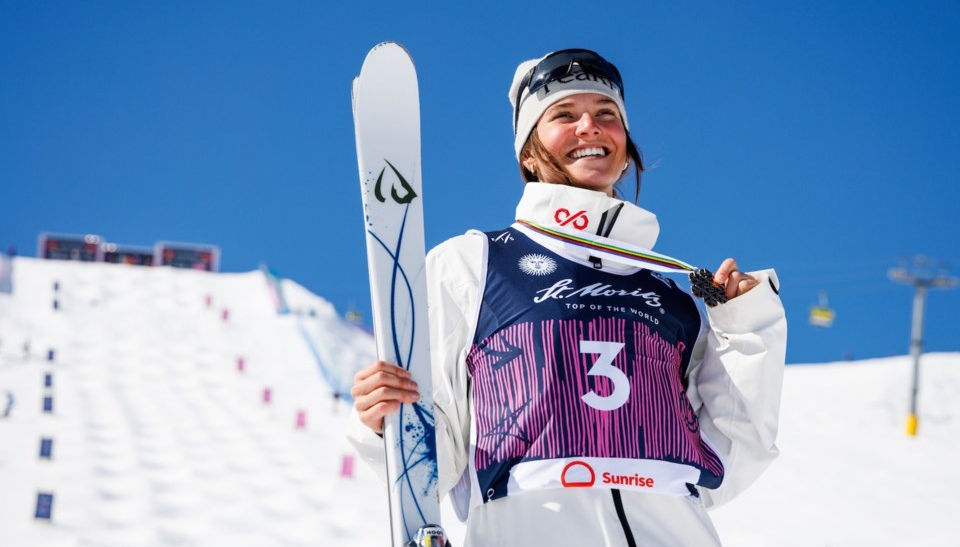
As we head into the winter season, this is a good time to pause and ask ourselves what it really means to train with purpose.
Skiing is an exciting and dynamic sport, but underneath the tricks and the runs, the real work happens in the way athletes approach their training. This month’s Freestyle File is about two key ideas that guide everything we do on the performance side: deliberate practice and Performance Training. Whether your athlete is just starting in FUNdamentalz or stepping into the Performance Team, these concepts matter because they set the stage for long-term growth, confidence, and success.
Not just in skiing, but in life.
What Does It Mean to Be a High Performer?
When we talk about “high performance,” we’re not only talking about results or scores. Being in a performance program isn’t about being the best skier on the hill — it’s about showing a commitment to growth, learning, and the process of improvement.
High performers show up differently. They train with intention, they take feedback seriously, and they push themselves even when it’s uncomfortable. They bring discipline to their training schedules, resilience when challenges arise, and reflection when things don’t go as planned. They’re willing to be coached, to adapt, and to keep finding ways forward. And importantly, they carry a sense of positivity — not in the “always happy” sense, but in the way they bounce back after a setback and keep their eyes on the bigger picture.
These qualities don’t just appear overnight. They’re built slowly, over time, through repetition, reflection, and experience. And while our performance program is designed to help athletes develop these skills, not every athlete is ready for that step yet. That’s perfectly okay. For our younger or developing athletes, the priority is still falling in love with skiing, learning foundational skills, and building confidence. Every stage has value, and there’s no need to rush the process.
What Is Deliberate Practice?
One of the biggest differences between casual training and performance training is something called deliberate practice. This type of practice is more than “working hard” or “getting your reps in.” It’s about practicing with a specific purpose — targeting the exact skills that need improvement, especially the tough ones.
Deliberate practice means showing up with a clear goal for each session, listening to feedback, and immediately applying it. It means repeating skills not just for the sake of doing them, but with sharp focus and attention to detail. It also means staying with the discomfort that comes with growth, because improvement doesn’t always feel good in the moment. And when the session ends, deliberate practice doesn’t stop there; it involves taking a moment to reflect on what worked, what didn’t, and what needs to be adjusted next time.
At the FUNdamentalz level, deliberate practice might look like an athlete working on their posture during a straight air. For a Freestylerz athlete, it could mean focusing on the timing of their grab in a jump. For a Performance athlete, it might be drilling consistency on a Back-Cross in preparation for competition. The level doesn’t matter — what matters is that the athlete is intentional about their learning. They’re not just “doing tricks.” They’re practicing with purpose.
The Mental Side of Performance
Skiing is physical, yes... but the mental side of the sport is what often separates good athletes from great ones. On the performance pathway, I spend as much time talking about mindset and reflection as I do about skill execution.
Why? Because the ability to focus, regulate emotions, and learn from experience is what allows athletes to compete at their best.
Mental performance tools are simple but powerful. Visualization can help athletes mentally rehearse a trick before they ever leave the jump. Breathing techniques and grounding skills can calm nerves before competition runs. Journaling provides a place to reflect on what went well, what didn’t, and what can be improved. Emotional regulation keeps athletes from getting stuck in a downward spiral.
These are not “extras” to tack on if you have time. They’re central to becoming a high performer. When athletes train their minds alongside their bodies, they build the ability to handle pressure, recover from setbacks, and show up consistently when it counts.
Building Performance Habits at Home
High performance doesn’t start and end on the ski hill. It’s built in the daily routines and choices athletes make outside of training. That’s why we encourage habits like regular strength and mobility work, consistent sleep routines, balanced nutrition, and intentional downtime for recovery. These habits are just as important as the time spent on snow, because they prepare the body and mind to absorb training.
And here’s the good news: these habits aren’t just for performance athletes. Any young skier can benefit from visualization, journaling, or better sleep routines. They create confidence, readiness, and resilience. These are all qualities that will help athletes in sport and beyond.
How Parents Can Support Ownership
As athletes mature, one of the most important shifts we encourage is ownership. This doesn’t mean parents step back entirely — it means giving athletes the space to take responsibility for their own process, while still being supported at home.
Parents can help by asking curious questions after training (“What did you learn today?”), by celebrating effort and attitude as much as results, and by encouraging reflection. Even something as simple as letting your athlete pack their own bag or prepare their own snacks helps build independence. And at home, maintaining structure — like regular sleep and healthy meals — makes a huge difference in how athletes show up to training.
When athletes start to own their journey, they become more confident, resilient, and self-driven. These are the qualities that not only fuel success in skiing, but also in school, relationships, and life.
Final Thoughts: A Season Is a Process
Every athlete enters the season in a different place. Some feel sharp and ready, others feel rusty. Some will leap forward quickly, while others will need time to find their rhythm. That’s all part of the process.
What matters most is not where your athlete starts... it’s how they show up. For those in the performance program, that means committing to deliberate practice, embracing reflection, and being prepared to grow physically, mentally, and emotionally. It takes maturity and consistency, but it also builds strength, confidence, and resilience that last long after the season ends.
Wherever your athlete is this year, we’re here to walk alongside them. And for those stepping into performance training, know that the expectations are higher — not to scare anyone away, but to help athletes rise to the challenge. This pathway isn’t easy, but it’s incredibly rewarding. I can't wait to see what we are able to accomplish as a team.
And Remember, stay hydrated.
— Coach Lauren


Comments